
GM/Chevy Duramax
-
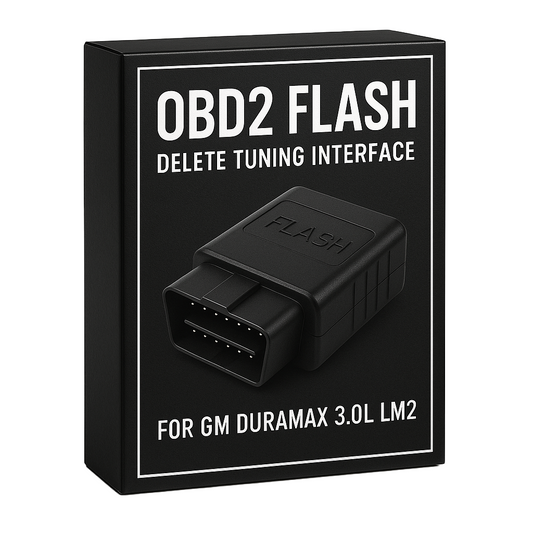
Full DEF Delete Kit | GM/Chevy Duramax LM2 3.0L | 2020-2022
Regular price From $3,499.00 USDSale price From $3,499.00 USD Regular priceUnit price per$3,799.00 USD- Unrestrained and versatile fashion accessory
- Free from the limitations of traditional styles
- 20 hours of all-day wearability
- Double-ended design for mix-and-match versatility
- 3/4″ detailed embellishments and bold 4″ statement centerpiece
-
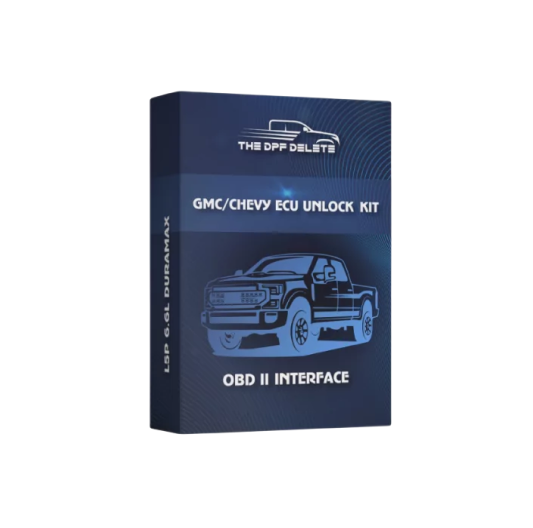
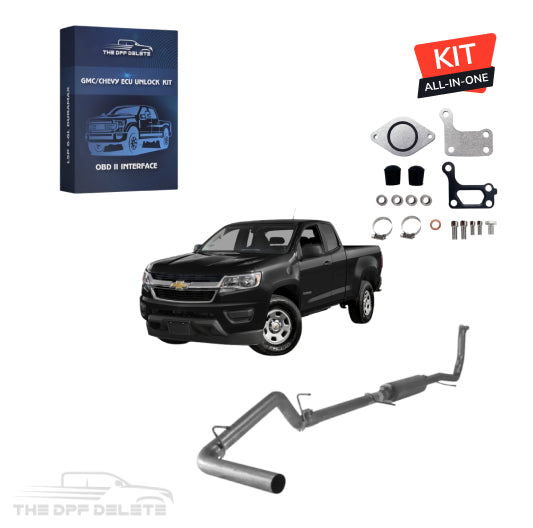
Full DEF Delete Kit | GM/Chevy Canyon/Colorado Duramax LWN 2.8L | 2016
Regular price $2,249.00 USDSale price $2,249.00 USD Regular priceUnit price per- Unrestrained and versatile fashion accessory
- Free from the limitations of traditional styles
- 20 hours of all-day wearability
- Double-ended design for mix-and-match versatility
- 3/4″ detailed embellishments and bold 4″ statement centerpiece
-
Full DEF Delete Kit | GM/Chevy Canyon/Colorado Duramax LWN 2.8L | 2017-2021
Regular price From $2,349.00 USDSale price From $2,349.00 USD Regular priceUnit price per$2,749.00 USD- Unrestrained and versatile fashion accessory
- Free from the limitations of traditional styles
- 20 hours of all-day wearability
- Double-ended design for mix-and-match versatility
- 3/4″ detailed embellishments and bold 4″ statement centerpiece
-
Full DEF Delete Kit | GM/Chevy Duramax LM2 3.0L | 2022.5-2026
Regular price From $2,619.00 USDSale price From $2,619.00 USD Regular priceUnit price per- Unrestrained and versatile fashion accessory
- Free from the limitations of traditional styles
- 20 hours of all-day wearability
- Double-ended design for mix-and-match versatility
- 3/4″ detailed embellishments and bold 4″ statement centerpiece
-
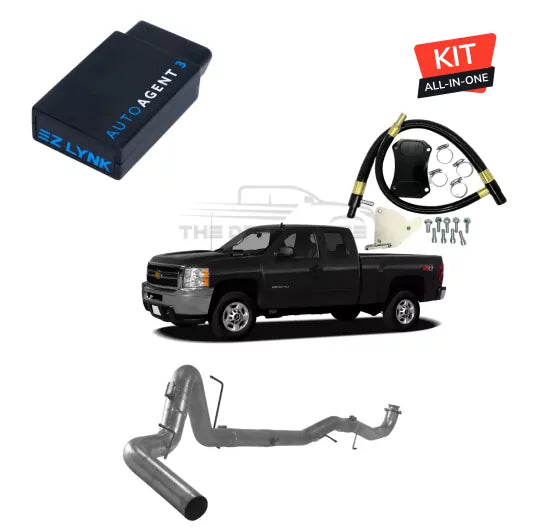
Full DEF Delete Kit w/ EZ Lynk Auto Agent 3 | GM/Chevy Duramax LML 6.6L | 2011-2016
Regular price From $2,135.00 USDSale price From $2,135.00 USD Regular priceUnit price per$2,435.00 USD- Unrestrained and versatile fashion accessory
- Free from the limitations of traditional styles
- 20 hours of all-day wearability
- Double-ended design for mix-and-match versatility
- 3/4″ detailed embellishments and bold 4″ statement centerpiece
-
DEF Delete Tune | GM/Chevy Canyon/Colorado Duramax LWN 2.8L | 2016-2022
Regular price From $810.00 USDSale price From $810.00 USD Regular priceUnit price per- Unrestrained and versatile fashion accessory
- Free from the limitations of traditional styles
- 20 hours of all-day wearability
- Double-ended design for mix-and-match versatility
- 3/4″ detailed embellishments and bold 4″ statement centerpiece
-
DEF Delete ECM Tuning Tool | GM/Chevy Duramax L5P 6.6L | 2020-2023
Regular price From $600.00 USDSale price From $600.00 USD Regular priceUnit price per$1,059.00 USD- Unrestrained and versatile fashion accessory
- Free from the limitations of traditional styles
- 20 hours of all-day wearability
- Double-ended design for mix-and-match versatility
- 3/4″ detailed embellishments and bold 4″ statement centerpiece
-
DEF Delete TCM Tune | GM/Chevy Duramax L5P 6.6L | 2017-2023
Regular price $430.00 USDSale price $430.00 USD Regular priceUnit price per- Unrestrained and versatile fashion accessory
- Free from the limitations of traditional styles
- 20 hours of all-day wearability
- Double-ended design for mix-and-match versatility
- 3/4″ detailed embellishments and bold 4″ statement centerpiece
-
DEF Delete Tune Only | GM/Chevy Duramax LM2 3.0L | 2020-2022
Regular price $1,189.00 USDSale price $1,189.00 USD Regular priceUnit price per- Unrestrained and versatile fashion accessory
- Free from the limitations of traditional styles
- 20 hours of all-day wearability
- Double-ended design for mix-and-match versatility
- 3/4″ detailed embellishments and bold 4″ statement centerpiece
-
DEF Delete SOTF Switch | GM/Chevy Duramax LML 6.6L | 2011-2016
Regular price $53.00 USDSale price $53.00 USD Regular priceUnit price per$59.00 USD- Unrestrained and versatile fashion accessory
- Free from the limitations of traditional styles
- 20 hours of all-day wearability
- Double-ended design for mix-and-match versatility
- 3/4″ detailed embellishments and bold 4″ statement centerpiece
-
DEF Delete SOTF Switches | GM/Chevy Duramax L5P 6.6L | 2017-2023
Regular price $95.00 USDSale price $95.00 USD Regular priceUnit price per- Unrestrained and versatile fashion accessory
- Free from the limitations of traditional styles
- 20 hours of all-day wearability
- Double-ended design for mix-and-match versatility
- 3/4″ detailed embellishments and bold 4″ statement centerpiece
-
DEF Delete Unlocked T93 TCM | GM/Chevy Duramax L5P 6.6L | 2020-2023
Regular price From $300.00 USDSale price From $300.00 USD Regular priceUnit price per$345.00 USD- Unrestrained and versatile fashion accessory
- Free from the limitations of traditional styles
- 20 hours of all-day wearability
- Double-ended design for mix-and-match versatility
- 3/4″ detailed embellishments and bold 4″ statement centerpiece









Upgrade your GM/Chevy Duramax
Duramax DEF delete kit options in this category cover GM and Chevy diesel platforms with 2.8L LWN, 3.0L LM2, and 6.6L LML or L5P engines. The catalog includes DEF Delete Kit packages, DEF Delete Tuner products, and LWN performance parts such as delete tune support for Canyon and Colorado applications. Fitment focuses on Silverado 1500, Silverado 2500HD, Silverado 3500HD, Sierra 1500, Sierra 2500HD, Sierra 3500HD, Chevrolet Colorado, and GMC Canyon models. Available tuning data supports gains from +0 HP to +180 HP, depending on engine family, tuner, and selected tune level.
Key Components
-
DEF Delete Kit – Complete hardware packages designed to remove restrictive DPF and emission components. Most kits include a delete pipe, installation hardware, clamps, and required mounting parts.
-
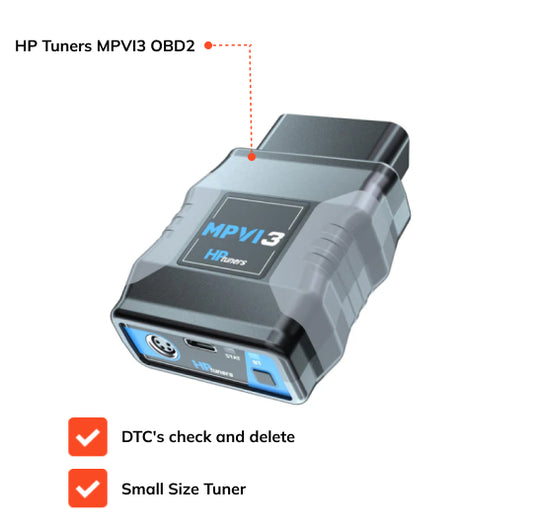
DEF Delete Tuner – ECU, ECM, TCM and handheld tools manage calibration files after hardware modification. Proper tuning helps maintain drivability while supporting performance improvements.
DEF Delete Kits for Every Duramax
-
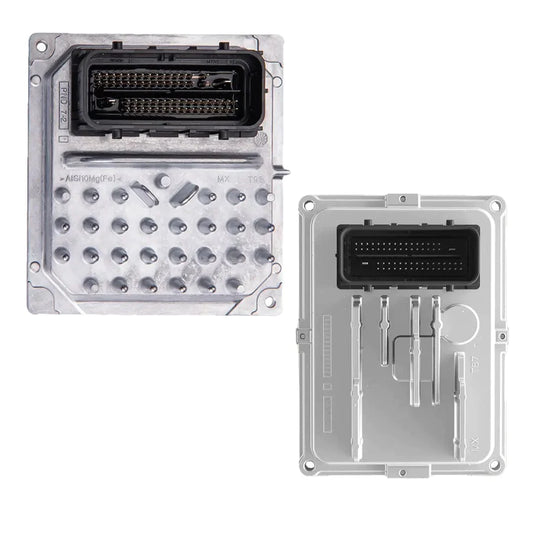
2017-2026 Duramax L5P 6.6L – L5P trucks use E41 ECM and T87A or T93 TCM hardware. ECU unlock, tune package, SOTF switch, and TCM options support Stock, +50, +75, +100, +150 HP or later Level 1 to Level 5 files up to +180 HP.
-
2020-2022 Duramax LM2 3.0L – LM2 is a light-duty inline-six platform for Silverado 1500 and Sierra 1500 trucks. The 3.0 Duramax DEF delete kit uses package-specific tuning and supports Stock Optimized +0, Tow +20, and Street +40 HP files when ECU data is required.
-
2016-2020 Duramax LWN 2.8L – LWN products cover Chevrolet Colorado and GMC Canyon applications with DPF, DEF, SCR, and EGR systems. The ECU Unlock Tool supports Stock Optimized +0, Heavy Towing +12, Light Towing +24, Sport +36, Performance +48, and Race +60 HP.
-
2015.5-2016 Duramax LML 6.6L – this late LML group uses full modern aftertreatment and year-specific tuning. EFI Live AutoCal V3, EZ Lynk Auto Agent 3, and Mini Maxx V2 products appear for these 2015.5-2016 GM/Chevy trucks.
-
2011-2015 Duramax LML 6.6L – early LML coverage includes Silverado and Sierra 2500HD or 3500HD models. A setup can pair delete hardware with EFI Live, EZ Lynk, Mini Maxx V2, or H&S Mini Maxx tuning.
A correct DEF delete kit Duramax selection depends on engine code, model year, vehicle line, and required controller state. L5P trucks often need unlocked ECM or TCM hardware before the tune can be flashed. LML trucks use older calibration, while LWN and LM2 applications rely more heavily on stock file, infolog, or vehicle-specific tune preparation. DPF removal changes the exhaust path by reducing filter restriction, while EGR modification changes soot recirculation through the intake side. DEF/SCR changes require matching software logic, not only a pipe or exhaust part.
Why Choose Our Shop
DEFdelete products are configured around real GM and Chevy diesel fitment instead of one generic bundle. The catalog separates 2.8L, 3.0L, and 6.6L platforms so the correct tuner, unlock method, and emissions components can be matched before installation.
-
Practical fitment sorting – products are grouped by year, engine, and truck model.
-
Unlock & controller options – L5P listings include ECM, TCM, SOTF, and unlock parts.
-
Tuner coverage – EFI Live, EZ Lynk, Mini Maxx, and ECU tools are listed.
-
Installation support – instructions are available for selected kits and hardware packages.
-
Platform-specific selection – LML, L5P, LM2, and LWN parts stay separated.
FAQ
What components are needed for DEF Duramax deletion?
A DEF delete kit 6.6 Duramax setup needs matching hardware and tuning for the truck’s engine, year, and controller. Common parts include DPF/DEF/EGR delete hardware, exhaust or pipe sections, a tuner, tune files, and unlock components when the ECM or TCM requires preparation.
L5P packages may include ECU Unlock Tool, E41 ECM options, T87A or T93 TCM hardware, and SOTF switches. LWN files can support up to +60 HP, while L5P tune levels can reach +180 HP on later supported files.
What’s the difference between LML and L5P Duramax delete kits?
LML and L5P delete kits differ mainly in engine generation, controller access, and tuning. LML covers 2011-2016 6.6L trucks, while L5P covers newer 2017-2026 6.6L applications.
LML products can use EFI Live AutoCal V3, EZ Lynk Auto Agent 3, Mini Maxx V2, or H&S Mini Maxx. L5P products often involve E41 ECM unlock, TCM tuning, SOTF switching, and HP Tuners-based file preparation.
Which delete kits fit my truck’s year and model?
The correct kit depends on the exact model year, engine code, and vehicle line. Silverado and Sierra 2500HD or 3500HD trucks use LML or L5P 6.6L fitment, while Silverado 1500 and Sierra 1500 use LM2 3.0L fitment.
Chevrolet Colorado and GMC Canyon applications use the 2.8L LWN platform. Catalog coverage includes 2011-2016 LML, 2017-2026 L5P, 2020-2022 LM2, and 2016-2022 LWN-related products.
Do I need a Duramax delete tuner to install the kit?
Yes, a tuner or custom calibration is required when factory DPF, DEF, SCR, or EGR logic is changed. Hardware alone cannot correctly manage emissions-related operating logic after removal or modification.
EFI Live AutoCal V3 uses a VIN-specific custom file and usually needs truck data before preparation. ECU Unlock Tool products can require stock file and infolog data, while EZ Lynk uses an OBD2 interface with mobile app support.
Can I install a 6.6 Duramax DEF delete kit myself?
Yes, an experienced diesel owner can install many 6.6L Duramax kits, but tuning and controller steps must match the exact truck. Mechanical work may involve exhaust sections, pipe hardware, and EGR-related parts.
Late L5P trucks can add extra steps because ECM or TCM hardware may need to be unlocked before flashing. EFI Live custom files usually take 2-5 business days.
Will deleting my Duramax improve fuel economy and reliability?
Deleting a Duramax can reduce regeneration cycles and exhaust restriction, but fuel economy and reliability are not guaranteed outcomes. Results depend on tune quality, driving style, tire size, load, maintenance, and engine condition.
EFI Live notes mention typical fuel economy improvement may average 3-6 MPG depending on setup. Use that as a possible range, not a fixed result for every GM, Chevy, or GMC truck.


